Our Network
Listed below are the members of our network, including teachers of ʻōlelo Hawaiʻi, researchers, learners, and language lovers. Take a look around! Get in touch with us!

Listed below are the members of our network, including teachers of ʻōlelo Hawaiʻi, researchers, learners, and language lovers. Take a look around! Get in touch with us!
Andrew Cheng is a phonetician and sociolinguist at the University of Hawaiʻi at Mānoa. His research focuses on sound production and perception in heritage speakers and bilingual speakers, as well as the sociolinguistics of diasporic languages and communities. Recent ʻōlelo Hawaiʻi projects include an acoustic phonetic investigation of stress patterns and vowel length and a sociolinguistic analysis of Hawaiian “native speaker” language ideologies. As a non-native settler currently living in Hawaiʻi, Andrew considers it his kuleana (responsibility) to practice collaboration with community members and promote research with clear broader impacts on language education, revitalization, and advocacy.
Lisa Davidson is a linguist at New York University who investigates the phonetics of voice quality, connected speech and second language acquisition. She began studying the phonetics of ʻōlelo Hawaiʻi in 2019. She is collaborating with ʻŌiwi Parker Jones on the phonetic properties of ʻokina and other consonants as spoken both by the mānaleo interviewed on Ka Leo Hawaiʻi and by current speakers residing on the island of Hawaiʻi. She is also working on the acoustic properties of the stress ʻōlelo Hawaiʻi with Thomas Kettig. Her ongoing collaboration with Parker Jones is currently supported by the National Science Foundation.
Gabriel H. "Kapeliela" Gilbert is a Waray/Kanaka linguist with moʻokūʻauhau from the islands of Samar and Maui. A graduate of Dartmouth College, he is currently a linguistics Ph.D. student at the University of Chicago where his work focuses on both practical and theoretical questions concerning ʻŌlelo Hawaiʻi, its ongoing revitalization, and its speakers. His work spans the fields of sociolinguistics, syntax, and semantics, and is primarily concerned with questions of language variation and change, language contact, and the grammatical systems of ʻŌlelo Hawaiʻi varieties and their linguistic relatives across Polynesia and the Austronesian family. His projects currently include a description of the Maui variety of ʻŌlelo Hawaiʻi spoken by kūpuna from Maui Hikina, an analysis of the Hawaiian tense/aspect system, and the development of Natural Language Processing (NLP) tools that can help facilitate the transcription and processing of written and spoken Hawaiian data.
Thomas Kettig is Assistant Professor of Linguistics at York University, Toronto, Canada. His doctoral dissertation at the University of Hawaiʻi at Mānoa was an investigation of the vowels of ʻōlelo Hawaiʻi. He has continued his work on acoustic phonetic analyses of mānaleo in the Ka Leo Hawaiʻi radio archives, as well as other projects like a phonological investigation of variation between [t] and [k] in Niʻihau Hawaiian. Aside from the documentation of Hawaiian, Thomas's research also includes projects in forensic phonetics and English sociolinguistics.
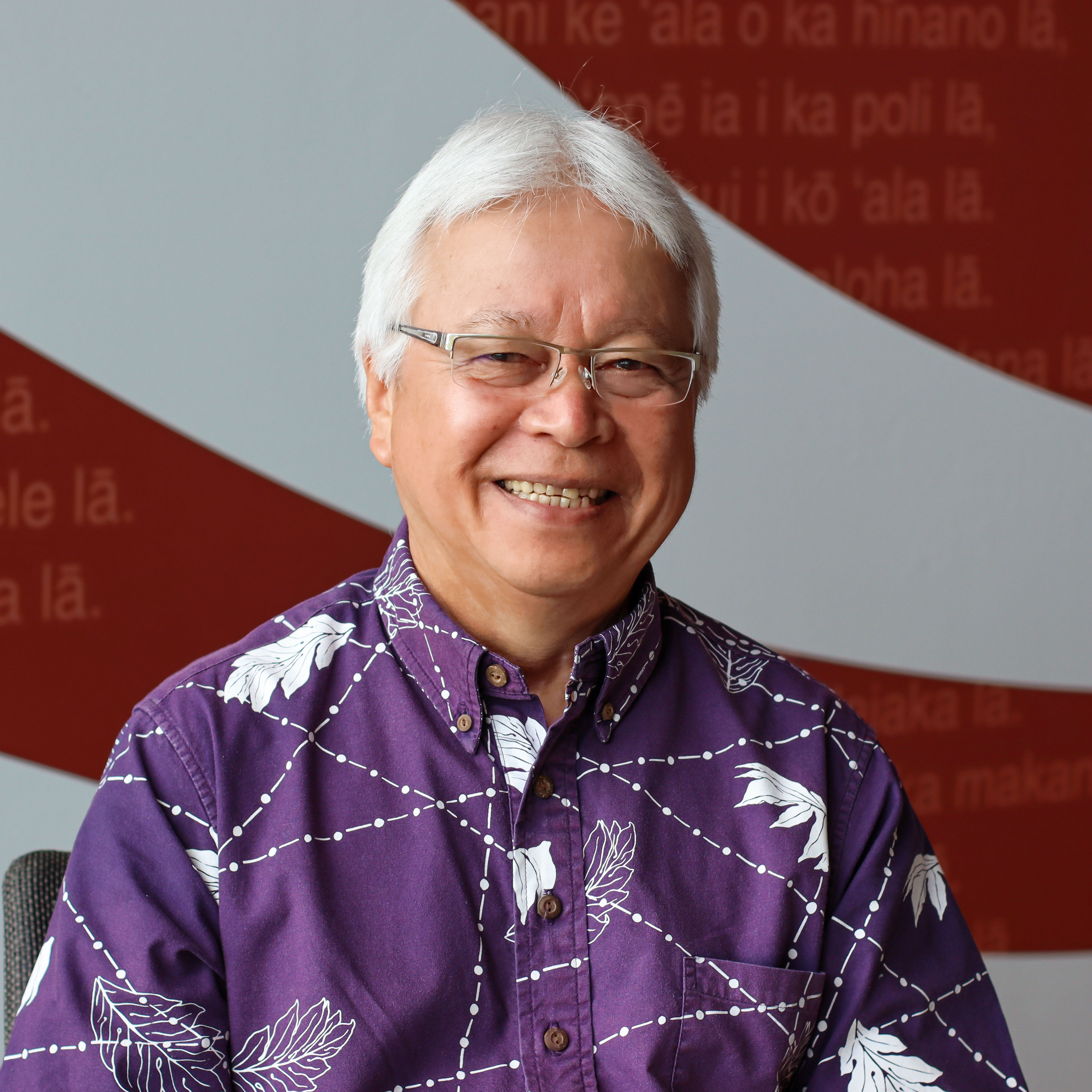
ʻO Larry Lindsey Kimura he kumu ʻōlelo Hawaiʻi mai kona hai ʻia i ke Kulanui o Hawaiʻi ma Mānoa i ka makahiki 1971 - 1988, a hoʻomau ʻia i ke Kulanui o Hawaiʻi ma Hilo a hiki i kēia lā. Mahalo nui ʻo ia i ka hana lōkahi me kona kaiaulu a me kona mau hoa hana liʻiliʻi no ka hoʻolilo hou ʻana i ka ʻōlelo Hawaiʻi ʻo ia ke kaiaʻōlelo hoʻonaʻauao ma ka hoʻokumu ʻana i nā kula kamaliʻi kaiaʻōlelo Hawaiʻi mua loa o ka ʻAha Pūnana Leo o ka makahiki 1984 a i hoʻomau ʻia ka hoʻonaʻauao kaiaʻōlelo Hawaiʻi a i ke kula haʻahaʻa, kula waena a i ka puka ʻana o ka papa kula kiʻekiʻe mua loa o ka ʻOihana Hoʻonaʻauao o Hawaiʻi i ka makahiki 1999. Aia ke kāmau māhuahua aʻe nei kēia hoʻonaʻauao kaiaʻōlelo Hawaiʻi a hiki i kēia lā. Alu pū ʻia kēia aukahi hoʻōla ʻōlelo me ka hoʻomōhala pū ʻia o nā kēkelē ʻōlelo Hawaiʻi mua loa he laepua, laeoʻo a he laeʻula ma ke Kulanui o Hawaiʻi.
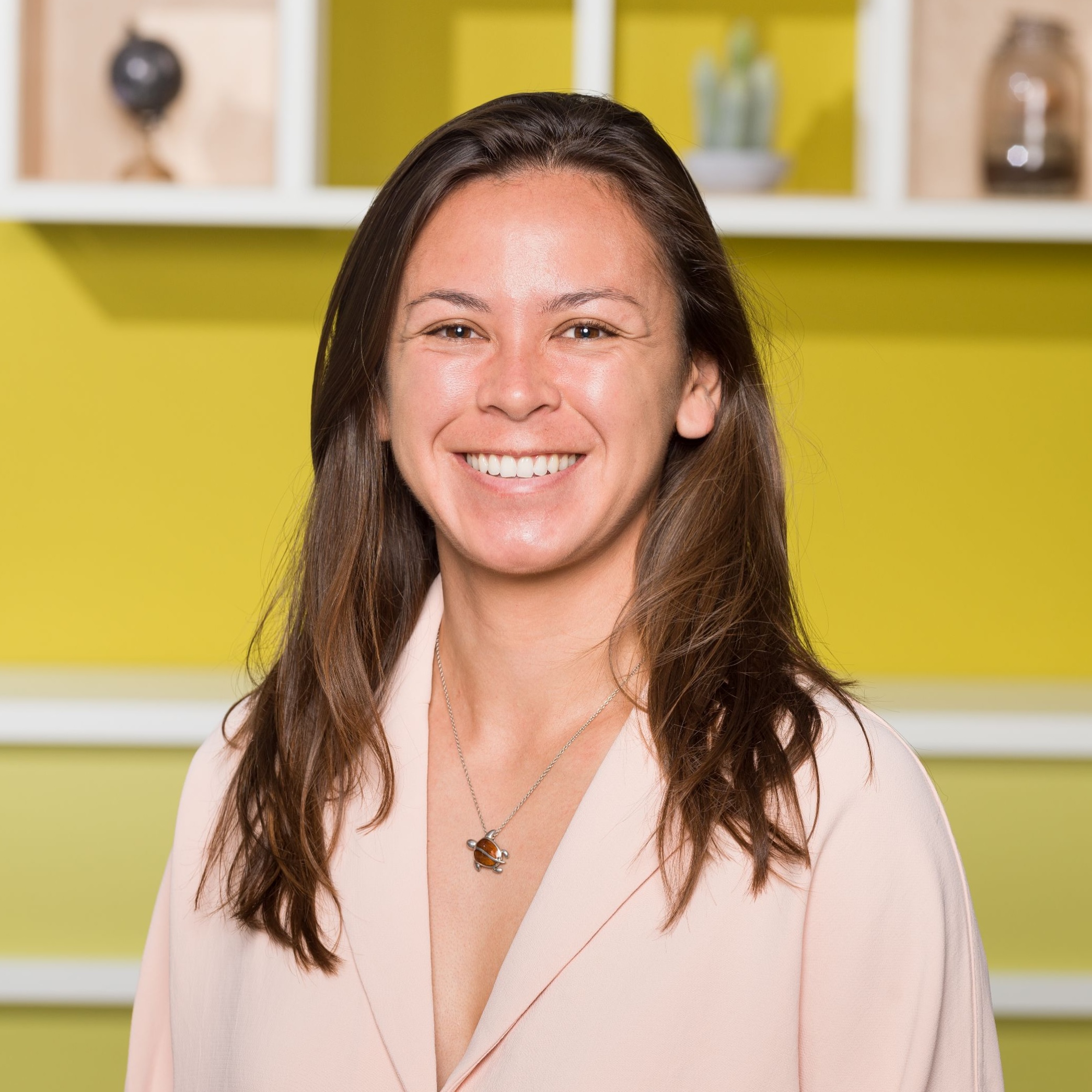
Noelani Kong-Johnson is a Kanaka Māoli neuroscientist and linguist from Kaimukī, Oʻahu. She graduated in 2019 from Princeton University with a degree in neuroscience and is currently a linguistics Ph.D. candidate at the University of Hawaiʻi at Mānoa. Her current work investigates the neurodevelopment of Hawaiian-English bilinguals in both brain structure and brain function while resolving syntactically ambiguous sentences. She is using MRI to investigate what networks Hawaiian-English bilinguals engage while engaging cognitive control processes to understand the relationship between childhood bilingualism and cognition from childhood into adulthood. Her aims with this work are to increase representation for ʻŌlelo Hawaiʻi in cognitive science and bilingualism literature and to encourage Hawaiian bilingualism by sharing insights with the community about how the Hawaiian-English bilingual brain develops.
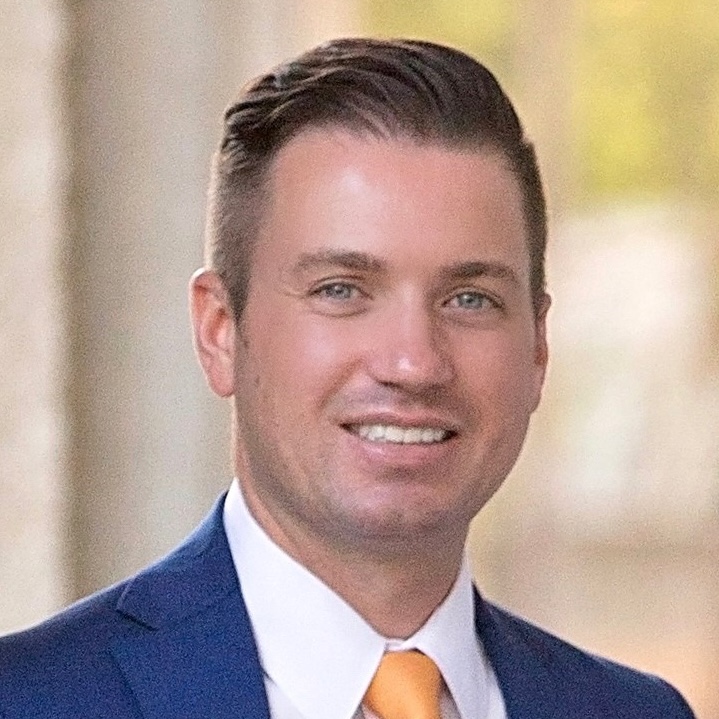
Matthew L. Maddox completed his doctorate in Romance Linguistics at the University of Illinois at Urbana-Champaign. As a Bilingual Liaison for the Lincoln (Nebraska) public school system, he works to expand language accessibility services for immigrant/refugee students and their families. His research in diachronic Romance syntax has focused on the cyclical grammaticalization of pronominal clitics, the historical relationship between null subjects and impersonal/passive reflexive constructions, the licensing of null objects, and the role of information structure vis-à-vis object shift and clitic climbing. Having developed an interest in the syntax and morphology of Polynesian languages, he is currently investigating the historical development of the so-called subject marker ʻo in ʻŌlelo Hawaiʻi and its cognates in Māori, Tahitian, and other varieties. An additional project is focused on the distribution of multiple negative markers in ʻŌlelo Hawaiʻi and their correlation with TAM allomorphy. As a haole linguist studying ʻŌlelo Hawaiʻi, he envisions his work as a collaborative effort with the native Hawaiian community. His goal is to raise awareness of the language among linguists in academia and residents and visitors to the islands thereby contributing to its maintenance and revitalization.
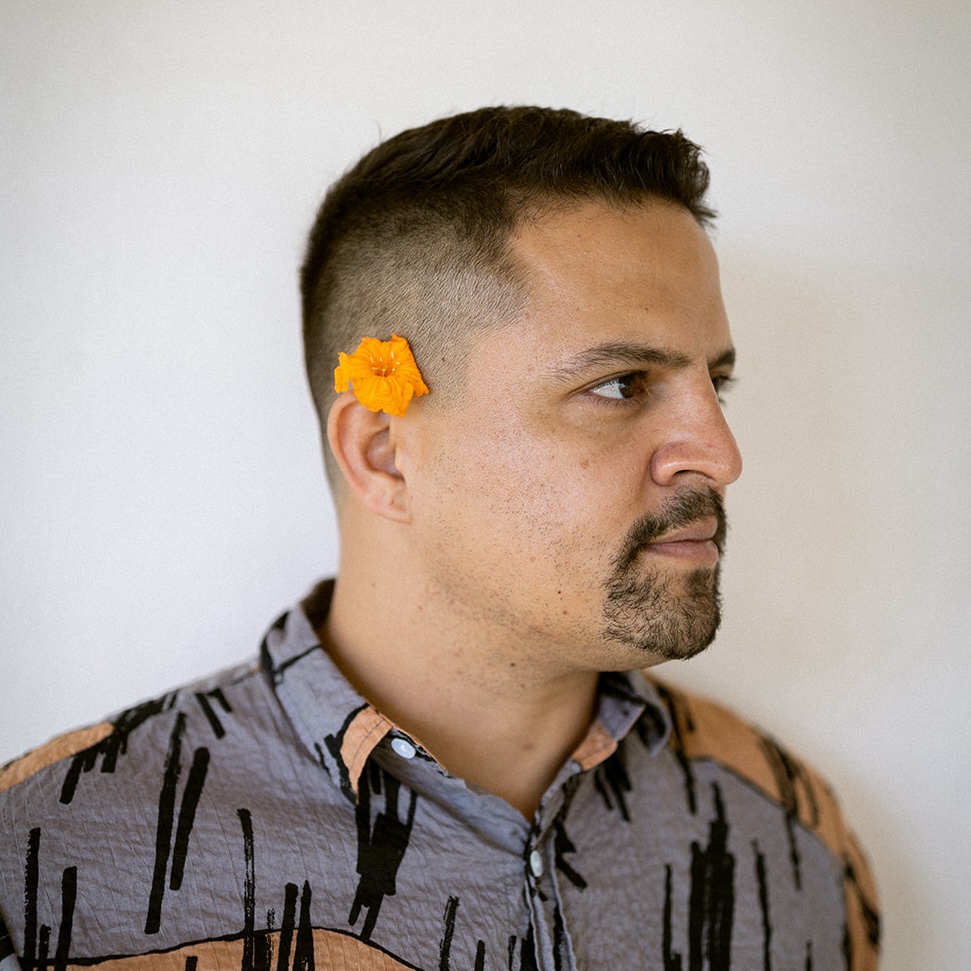
N. Haʻalilio Solomon is an Assistant Professor in the Hālau ʻŌlelo Hawaiʻi ʻo Kawaihuelani Center for Hawaiian Language at the University of Hawaiʻi at Mānoa, where he received a PhD in Linguistics. His dissertation, “Attitudes & Ideologies Surrounding ʻŌlelo Hawaiʻi: A Qualitative Study”, facilitates the renormalization of the Hawaiian language by addressing challenges that slow its progress. Haʻalilio’s current research focuses on heritage speakership, revitalization, and phonetics of ʻōlelo Hawaiʻi. His other academic interests include Hawaiian music, hula, and historical research. As a polyglot, his multilingualism shapes his pedagogy and philosophy towards language education, revitalization, and renormalization.
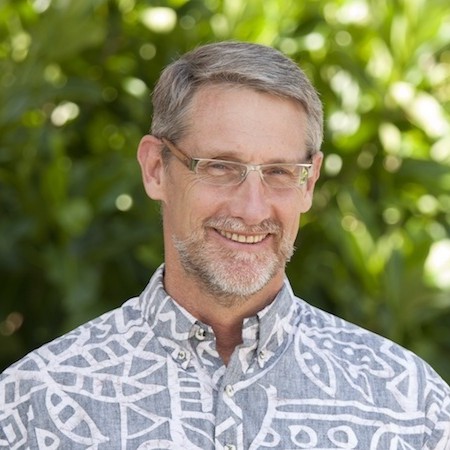
Lōʻihi ʻo William H. Wilson i loko o ka hoʻōla ʻōlelo Hawaiʻi. He mea hoʻokumu papahana mai ka Pūnana Leo a i ke Kikowaena Kaumokuʻāina No Nā ʻŌlelo ʻŌiwi ʻAmelika. Ke noho polopeka pae laeʻula nei ma Ka Haka ʻUla O Keʻelikōlani me ke aʻo haʻawina hoʻokolohua pū i ka Pūnana Leo me Nāwahīokalaniʻōpuʻu. Ma waho o kāna hana kālele ʻōlelo Hawaiʻi a me ka hoʻōla ʻōlelo ʻōiwi laulā, ua ʻike ʻia ʻo ia no kāna mau noiʻi pilinaʻōlelo a mōʻaukala Polunesia.

